
A Strong Outer Layer Guards Your Home From Rain, Sun, Wind, and Moisture
Exterior painting protects your home from weather by creating a sealed barrier against rain, sun, wind, and temperature changes. A quality paint job blocks moisture, reflects harsh sunlight, and helps prevent wood rot, cracking, and fading. In places with heavy storms or hot summers, this outer layer acts like a shield for your siding and trim. When done the right way, it can add years to the life of your home’s exterior.
What You Need Before Starting
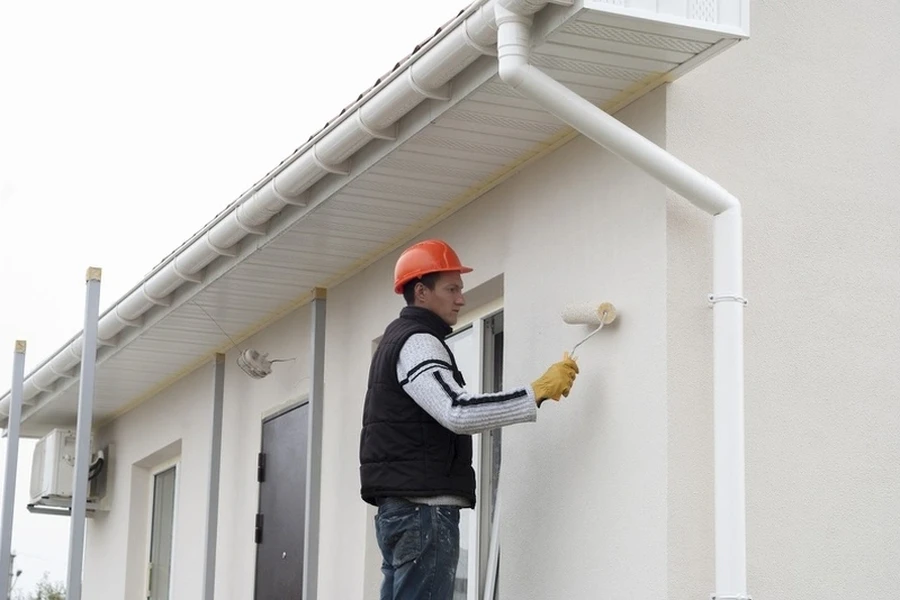
Before starting exterior painting, you need more than just a brush and a bucket of paint. Good prep work is just as important as the paint itself. Skipping this step often leads to peeling and early wear.
- Pressure washer or hose for cleaning
- Scraper and sandpaper to smooth rough spots
- Exterior primer
- High-quality exterior paint
- Brushes, rollers, or a sprayer
- Caulk for sealing gaps and cracks
Clean, dry, and smooth surfaces help paint stick better. That strong bond is what keeps water out and protects your home through every season.
Step-by-Step Process
Exterior painting is not just about adding color. Each step plays a role in weather protection.
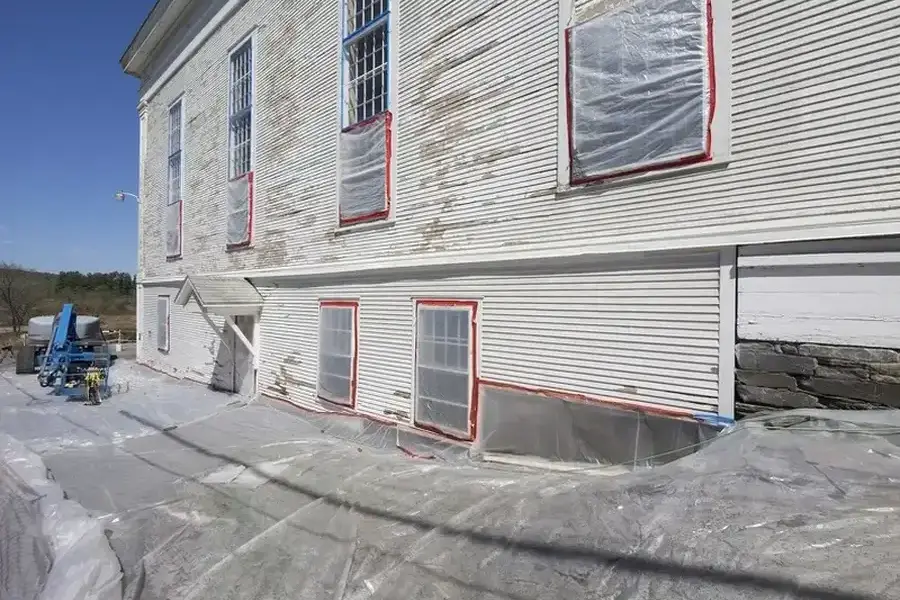
- Wash the surface. Remove dirt, mildew, and loose paint. Paint will not stick to grime.
- Scrape and sand. Smooth edges where old paint has chipped away.
- Repair damage. Replace rotted boards and fill small cracks.
- Caulk gaps. Seal around windows, doors, and joints to block water.
- Prime bare areas. Primer creates a strong base and improves paint adhesion.
- Apply exterior paint. Use even coats and allow proper drying time between layers.
Each layer adds protection. Primer seals raw surfaces. Paint forms the barrier that stands up to rain, snow, and sun.
Common Mistakes to Avoid
Many weather problems start with simple mistakes. Rushing the job can shorten the life of the paint.
- Painting over damp wood
- Skipping primer on bare spots
- Using interior paint outside
- Painting in very hot or freezing weather
- Ignoring small cracks or gaps
For example, if wood siding holds moisture and you paint over it, the paint can bubble and peel within months. Small cracks may look harmless, but they allow water to seep behind the surface. Over time, that moisture can cause rot and mold.
How Weather Breaks Down Unprotected Surfaces
Without exterior painting, siding takes the full hit from the weather. Rain soaks into wood and can cause swelling. After the sun dries it, the wood shrinks. This repeated movement leads to cracking.
Sunlight also fades color and weakens material. Ultraviolet rays break down fibers in wood and cause vinyl to become brittle. Wind pushes rain into tiny openings around trim and windows. Once water gets inside, damage spreads fast.
A proper paint system slows all of this down. It blocks direct moisture, reflects some sunlight, and helps keep surfaces stable during temperature shifts.
When to Call a Professional
Some homes are simple to paint. Others need more care. If your home has multiple stories, steep angles, or visible wood rot, it may be time to call a professional.
You should also get help if:
- Paint is peeling across large areas
- You see signs of soft or rotting wood
- Mold or mildew keeps coming back
- You want long-lasting results with minimal maintenance
Professional crews who specialize in exterior painting understand how weather affects different materials. They use the right products, follow the right steps, and plan around temperature and humidity.
Final Recommendation and Next Steps
Exterior painting is one of the most effective ways to protect your home from harsh weather. It strengthens your siding, blocks moisture, and helps prevent costly repairs. In McHenry, IL, changing seasons can wear down even strong materials over time. At Sandre & Associates Painting, we handle surface prep, repairs, and full exterior painting projects with care and attention to detail. We focus on long-term protection, not just appearance. Call us at (779) 234-0133 to schedule a consultation and let us help protect your home for years to come.